U.S. Sanctions, Iran, nuclear
A centered chronological sequence of hostile acts, official reactions, and changes in US Administrations.
Hostage Crisis Begins
Iranian students seize the U.S. Embassy in Tehran, taking 66 Americans hostage.
Response
"I ordered an immediate halt to any purchases or shipments of Iranian oil to the United States... we've legally frozen official Iranian property and financial assets... We will never allow any foreign country to dictate any American policy."
 President Jimmy Carter
The U.S. halts oil imports and freezes $12 billion in Iranian government assets.
New US Administration
Ronald Reagan is inaugurated as the 40th President of the United States.
Context Note
The Road to the 1983 Beirut Bombing and Its Modern Echoes
The events depicted in your timeline highlight a complex chain of events—beginning with a volatile border conflict in the Middle East and leading to a devastating terrorist attack against U.S. forces, the echoes of which are still felt today.
The Catalyst: The PLO in Lebanon and the 1982 Israeli Invasion
To understand why U.S. troops were in Lebanon under the Reagan administration, we have to look at the escalating conflict between Israel and the Palestine Liberation Organization (PLO):
- The "State Within a State": After being expelled from Jordan in 1970, Yasser Arafat and the PLO relocated to Lebanon. Amidst the Lebanese Civil War, the PLO essentially took over southern Lebanon, creating a heavily armed staging ground for the Palestinian nationalist movement.
- Attacks on Northern Israel: From this stronghold, the PLO launched frequent cross-border guerrilla attacks and bombarded Israel's northern towns with rockets and artillery, forcing Israeli civilians into bomb shelters for years.
- The Breaking Point: The immediate trigger for war occurred on June 3, 1982, when Palestinian militants attempted to assassinate Shlomo Argov, the Israeli ambassador to the United Kingdom. Holding the PLO responsible, Israel launched a major invasion of Lebanon three days later to push the PLO out of rocket range and dismantle their military infrastructure.
The U.S. Intervention and the 1983 Tragedy
Israel's invasion pushed all the way to Beirut, cornering the PLO leadership. This is where the United States stepped in.
- Peacekeeping Deployment: Following Ronald Reagan's inauguration in 1981, his administration sought to stabilize the region. In 1982, U.S. Marines were deployed to Beirut alongside French, Italian, and British troops to oversee the PLO's evacuation from Lebanon.
- The Barracks Bombing: As the conflict dragged on, local militias began viewing the U.S. presence as partisan. On October 23, 1983, the Islamic Jihad Organization—an Iran-backed Shiite militant group that later evolved into Hezbollah—drove a massive truck bomb into the U.S. Marine barracks at the Beirut airport. The explosion killed 241 American military personnel, marking one of the deadliest days for the U.S. military since World War II.
Beirut Barracks Bombing
Iran-backed Hezbollah terrorists bomb the Marine compound in Lebanon, killing 241 U.S. military personnel.
Response
"There are no words to properly express our outrage and, I think, the outrage of all Americans at the despicable act... we must be more determined than ever that they cannot take over that vital and strategic area of the Earth."
 President Ronald Reagan
The U.S. officially designates Iran as a State Sponsor of Terrorism, restricting foreign assistance and financial transactions.
Context Note
The Historical Context: The 1987 "Tanker War" and U.S. Sanctions
The timeline captures a major escalation in U.S.-Iran hostilities during the late 1980s. This period was heavily defined by the brutal, nearly decade-long Iran-Iraq War (1980–1988), which eventually spilled over from the land into the crucial waterways of the Middle East.
1. The "Tanker War"
- The Strategy: As the land war between Iran and Iraq bogged down into a bloody stalemate, both nations sought to cripple each other's economies by attacking merchant shipping and oil tankers in the Persian Gulf.
- The Threat to Global Commerce: By 1987, Iran increasingly targeted neutral shipping—specifically vessels belonging to Kuwait, which financially supported Iraq. Iran utilized naval mines, anti-ship missiles, and speedboats to terrorize civilian crews. Because a massive portion of the world's oil supply flows through the Strait of Hormuz, this posed a direct threat to the global economy.
2. U.S. Intervention (Operation Earnest Will)
- Reflagging and Escorting: In response to pleas from Kuwait and to keep the waterways open, the United States launched Operation Earnest Will in the summer of 1987. Kuwaiti oil tankers were "reflagged" with American flags, allowing the U.S. Navy to legally provide armed escorts for them.
- Direct Clashes: Iran did not back down. They laid stealthy naval mines in international waters (one of which severely damaged the USS Samuel B. Roberts) and fired upon U.S. helicopters and patrol boats. The U.S. responded with direct military force, destroying Iranian oil platforms used as military staging bases and sinking several Iranian naval vessels.
3. Executive Order 12613 (October 1987)
- The bottom timeline entry shows the economic component of the U.S. response. On October 29, 1987, President Ronald Reagan issued Executive Order 12613.
- The Embargo: This order placed a comprehensive embargo on all imports of Iranian origin into the United States—most notably, Iranian crude oil.
- As President Reagan noted in the quoted text, this was a direct punitive measure against the Iranian government for its unprovoked attacks on American forces, its disruption of international waters, and its ongoing, active sponsorship of global terrorism.
Persian Gulf Attacks
Iran attacks U.S. forces and merchant vessels during the 'Tanker War'.
Response
"The measures I am initiating are a direct result of the Iranian Government's own actions, including its unprovoked attacks on U.S. forces and U.S. merchant vessels... and its sponsorship of terrorism there and elsewhere."
President Ronald Reagan
President Reagan issues Executive Order 12613, placing a complete embargo on all U.S. imports from Iran.
New US Administration
Bill Clinton is inaugurated as the 42nd President of the United States.
Context Note
The Historical Context: The 1995 Embargo and the Rise of the Nuclear Threat
By the mid-1990s, the dust had settled from the Iran-Iraq War, and the geopolitical landscape of the Middle East was shifting. The timeline entry highlights the U.S. realization that Iran was not moderating, but rather expanding its aggressive ambitions on two major fronts: WMDs and proxy terrorism.
1. The Dual Threat: Nuclear Ambitions and Proxy Terror
- The Nuclear Shadow: In the early 1990s, U.S. and allied intelligence agencies began uncovering deeply concerning evidence that Iran was covertly trying to acquire nuclear technology and fissile material, bypassing the Non-Proliferation Treaty (NPT). They were seeking dual-use technologies and cooperating with international black-market networks.
- Sabotaging Peace: Concurrently, Iran dramatically ramped up its funding, training, and equipping of proxy terror organizations, most notably Hezbollah in Lebanon and Hamas and Palestinian Islamic Jihad (PIJ) in the Palestinian territories. Their primary goal during this period was to use waves of suicide bombings to violently derail the 1993 Oslo Accords and the broader Arab-Israeli peace process.
2. President Clinton’s Decisive Action (Spring 1995)
- The Clinton administration adopted a policy of "Dual Containment," aimed at isolating both Iran and Iraq.
- The Conoco Catalyst: The immediate trigger for the March 1995 sanctions was the revelation that an American oil company, Conoco, had quietly signed a massive contract to develop oil fields in Iran. Unwilling to let American dollars fund Iranian terror and WMD programs, President Clinton stepped in.
- The Executive Orders: As the timeline shows, in March 1995, Clinton issued an Executive Order banning U.S. investment in Iran's energy sector. Just two months later, in May 1995, he expanded this with another order enacting a comprehensive ban on almost all U.S. trade and investment with Iran. This essentially cemented the heavy economic isolation of Iran that persists today.
Terror/Nuclear Pursuits
In the mid-1990s, U.S. intelligence gathered mounting evidence that Iran was actively financing international terrorist organizations like Hezbollah and Hamas. Concurrently, deep concerns emerged regarding Tehran's covert efforts to acquire the technology necessary for weapons of mass destruction.
Response
"I am convinced that instituting a trade embargo with Iran is the most effective way our nation can help to curb that nation's drive to acquire devastating weapons and its continued support for terrorism."
 President Bill Clinton
The U.S. bans all investment in Iran's energy sector, followed by a total trade and investment embargo.
Context Note
1. The Khobar Towers Bombing (June 1996)
- The Target: Following the 1991 Gulf War, U.S. and coalition forces remained stationed in Saudi Arabia to enforce a "no-fly zone" over southern Iraq (Operation Southern Watch). Many of these service members were housed in a large residential complex in Dhahran known as Khobar Towers.
- The Attack: On the evening of June 25, 1996, terrorists drove a sewage tanker truck loaded with an estimated 5,000 to 30,000 pounds of explosives up to the perimeter fence of the complex. The resulting blast was so massive it sheared the sheer face off of several buildings, left a crater 85 feet wide, and was felt 20 miles away.
- The Culprits: The attack killed 19 U.S. Air Force personnel and injured nearly 500 people of various nationalities. U.S. investigations concluded that the attack was carried out by Hezbollah Al-Hijaz (Saudi Hezbollah), a Shiite militant group operating as a direct proxy for Iran's Islamic Revolutionary Guard Corps (IRGC), who financed, directed, and provided the explosives for the operation.
2. The U.S. Response: ILSA (August 1996)
- The bottom of the timeline shows the immediate legislative retaliation. Having already banned U.S. companies from trading with Iran in 1995, President Bill Clinton took the unprecedented step of targeting the rest of the world.
- Secondary Sanctions: On August 5, 1996, Clinton signed the Iran and Libya Sanctions Act (ILSA). This act imposed "secondary sanctions," meaning the U.S. would now penalize foreign companies (European, Asian, etc.) if they invested $40 million or more in the oil and gas sectors of Iran or Libya.
- As President Clinton's quote illustrates, the goal was to completely choke off the petroleum revenue that rogue nations were using to fund weapons of mass destruction and global terror networks capable of executing attacks like Khobar Towers and the Lockerbie Pan Am Flight 103 bombing.
Khobar Towers Bombing
Hezbollah Al-Hijaz terrorists bomb a U.S. Air Force housing complex in Saudi Arabia, killing 19 U.S. Airmen.
Response
"From the skies over Lockerbie to Khobar Towers... America has felt the pain of terrorism... With this legislation we strike hard where it counts, against those who target innocent lives and our very way of life."
President Bill Clinton
President Clinton signs the Iran and Libya Sanctions Act (ILSA), penalizing foreign entities that invest in Iran's oil industry.
New US Administration
George W. Bush is inaugurated as the 43rd President of the United States.
Context Note
The Historical Context: The 2002 Nuclear Revelations
For years, there were suspicions about Iran's nuclear ambitions, but the international community lacked smoking-gun, public proof. That changed overnight in the summer of 2002.
1. The Bombshell Press Conference (August 2002)
- On August 14, 2002, an Iranian dissident group known as the National Council of Resistance of Iran (NCRI) held a press conference in Washington, D.C.
- They presented detailed satellite imagery and intelligence exposing two massive, completely undeclared nuclear sites that Iran had been secretly building:
- Natanz: A massive underground uranium enrichment facility designed to hold thousands of centrifuges.
- Arak: A heavy water production plant, which is a crucial component in creating a plutonium-based nuclear weapon.
- By exposing both a uranium pathway and a plutonium pathway, the revelation made it undeniable that Iran was seeking the capability to build nuclear weapons, in direct violation of its commitments to the Non-Proliferation Treaty (NPT).
2. The "Axis of Evil" Validation
- The timeline includes a quote from President George W. Bush: "States like these, and their terrorist allies, constitute an axis of evil, arming to threaten the peace of the world."
- President Bush delivered this famous line during his State of the Union address in January 2002—just months before the Natanz and Arak facilities were publicly exposed. At the time, some critics called Bush's speech overly aggressive. However, the August 2002 revelations provided immediate, undeniable proof that the administration's warnings about Iran's pursuit of Weapons of Mass Destruction (WMDs) were entirely accurate.
3. The IAEA Crisis
- As the bottom of the timeline notes, this intelligence sparked a massive global crisis. The International Atomic Energy Agency (IAEA) was forced to launch an emergency investigation.
- When IAEA inspectors finally gained access to Natanz in 2003, they found traces of highly enriched uranium, confirming the worst fears of the international community and kicking off the multi-decade standoff over Iran's nuclear program that continues to this day.
Hidden Nuclear Facilities Revealed
An Iranian opposition group publicly exposes two secret, undeclared nuclear facilities at Natanz and Arak, alerting the IAEA and the world to Iran's covert nuclear program.
Response
"States like these, and their terrorist allies, constitute an axis of evil, arming to threaten the peace of the world. By seeking weapons of mass destruction, these regimes pose a grave and growing danger."
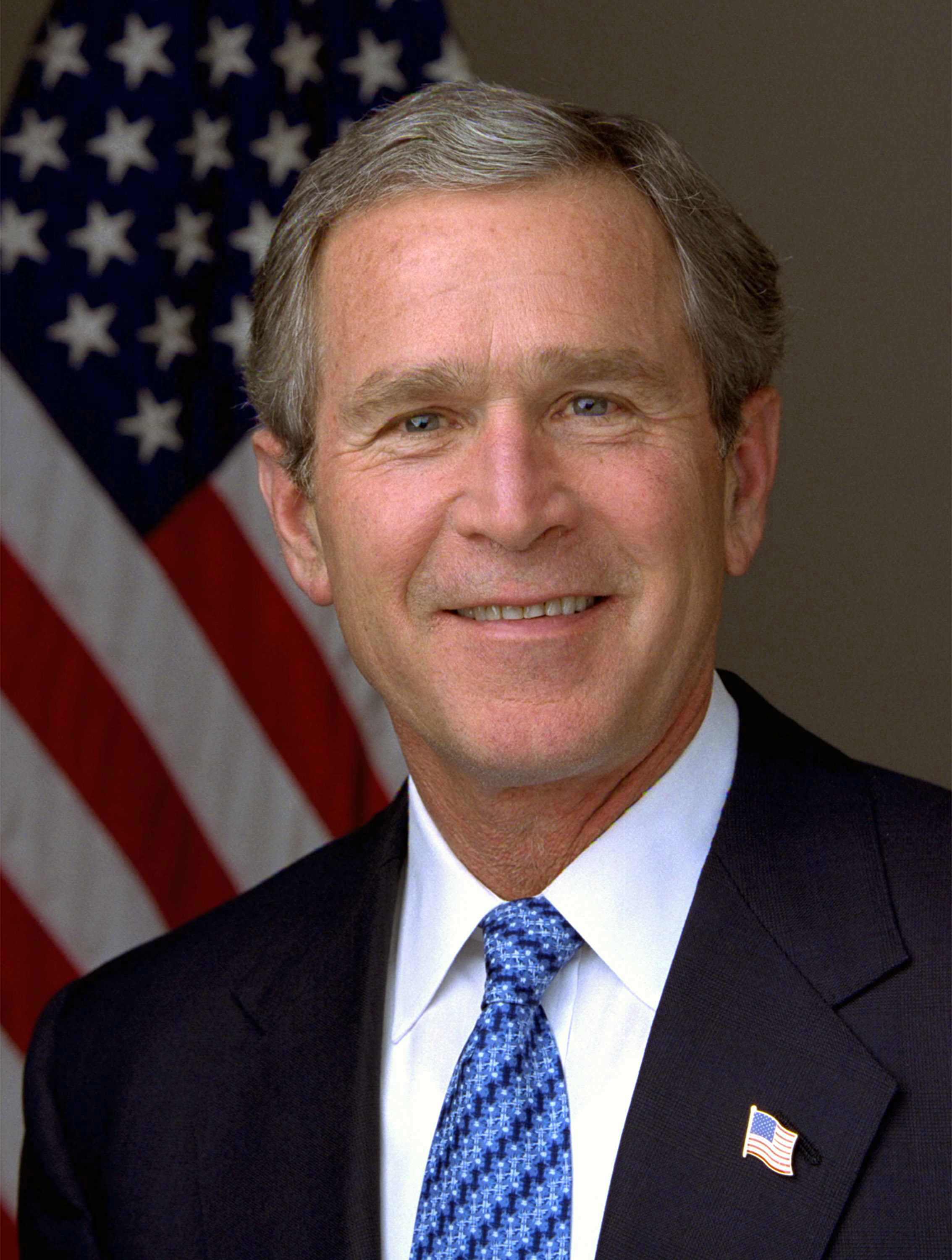 President George W. Bush
The IAEA launches an emergency investigation, confirming the sites and sparking a multi-decade global crisis over Iran's nuclear ambitions.
New US Administration
Barack Obama is inaugurated as the 44th President of the United States.
Context Note
The JCPOA (Iran Nuclear Deal) Context
The image displays a timeline of the Joint Comprehensive Plan of Action (JCPOA), widely known as the Iran Nuclear Deal, spearheaded during the Obama administration.
Here is the breakdown of what the image shows and why it matters:
- The Build-up (2009): The timeline starts with President Barack Obama's inauguration. When Obama took office, he campaigned on the promise of opening a new diplomatic dialogue with Iran, aiming to pivot away from the purely adversarial stance of previous decades.
- The Agreement (July 14, 2015): After years of grueling, high-stakes negotiations, the JCPOA was signed. It was an agreement between Iran and the P5+1 (the UN Security Council's five permanent members: China, France, Russia, the UK, and the US; plus Germany) and the European Union.
- The Core Trade-off:
- Iran agreed to: Drastically reduce its stockpile of enriched uranium, dismantle much of its nuclear infrastructure, and allow extensive, intrusive inspections by the International Atomic Energy Agency (IAEA) to ensure it could not build a nuclear weapon.
- The P5+1 agreed to: Lift crippling economic sanctions that had isolated Iran from the global financial system and severely damaged its economy.
- The Obama Quote: The quote shown in the image reflects the administration's belief that diplomacy, rather than military intervention or covert operations (like those mentioned in your previous video summary), was the most effective way to neutralize the "Iran threat."
- Implementation Day (Jan 16, 2016): The bottom of the image points to "Sanctions Relief" on this date. This was known as "Implementation Day," the day the IAEA verified that Iran had met its initial nuclear commitments, triggering the US, EU, and UN to officially lift nuclear-related sanctions.
JCPOA (Nuclear Deal) Signed
Iran and the P5+1 nations reach a landmark agreement to limit Iran's nuclear program in exchange for economic relief.
Response
"This deal demonstrates that American diplomacy can bring about real and meaningful change... It makes our country, and the world, safer and more secure."
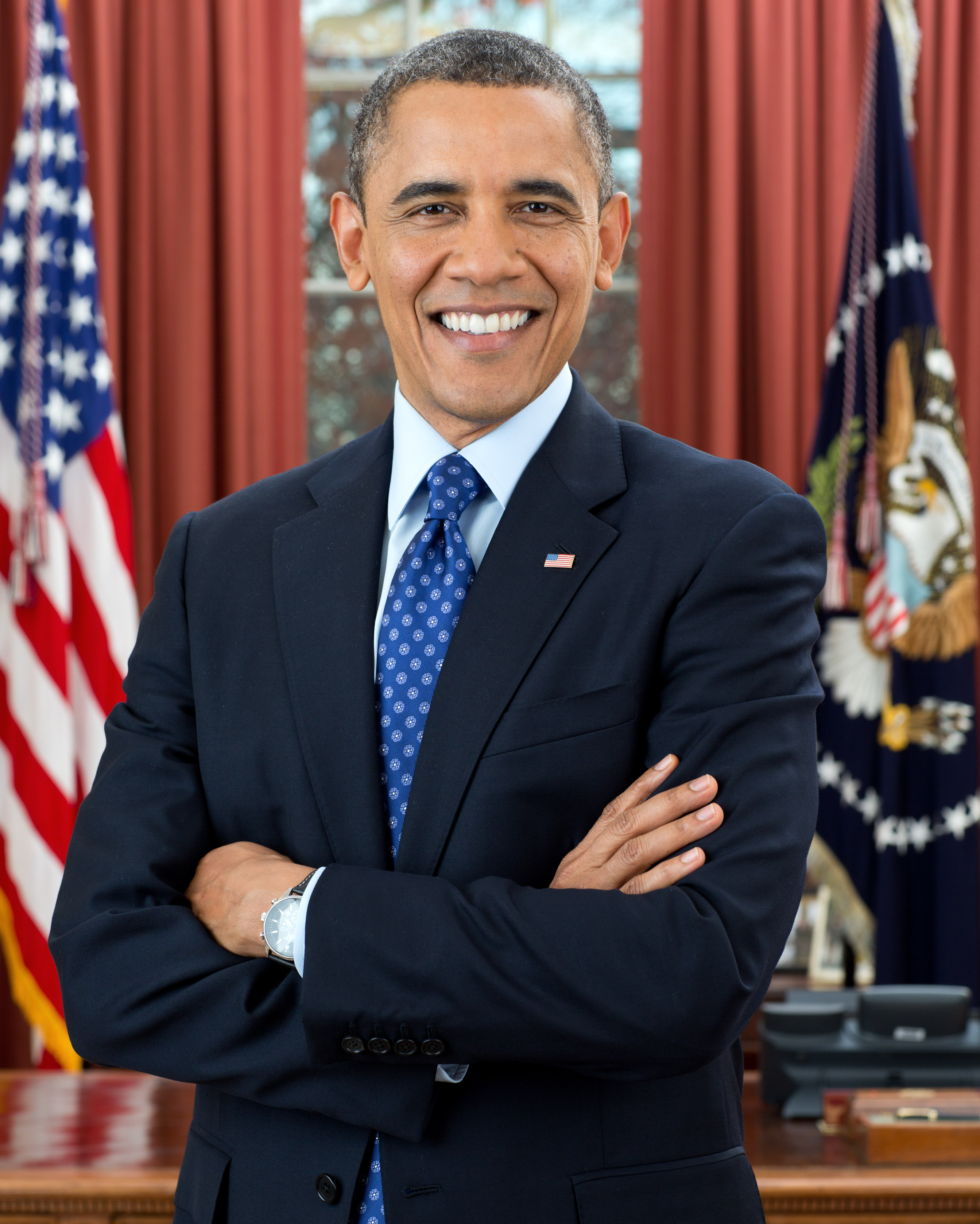 President Barack Obama
Implementation Day: The U.S., EU, and UN lift nuclear-related economic sanctions on Iran.
New US Administration
Donald Trump is inaugurated as the 45th President of the United States.
Context Note
The US Withdrawal from the JCPOA
This image captures a pivotal shift in US-Iran relations: the Trump administration's decision in May 2018 to officially withdraw the United States from the Joint Comprehensive Plan of Action (JCPOA) and reinstate strong economic sanctions.
Here is the context behind why the administration took this step, rooted in prioritizing American national security and regional stability:
- Addressing "Sunset Clauses": A primary concern for the US was that the JCPOA was "defective at its core" because it didn't permanently dismantle Iran's nuclear program. Key restrictions on uranium enrichment had expiration dates (known as sunset clauses). The US argued that this merely delayed the problem, paving a legally protected pathway for Iran to eventually achieve industrial-scale nuclear capabilities in the future.
- Defunding Regional Aggression: As the quote in your image highlights, the US classified Iran as the world's leading state sponsor of terror. When the original deal lifted sanctions, it unfroze billions of dollars in Iranian assets. From the American perspective, rather than investing this massive windfall into the Iranian economy to help its citizens, Tehran funneled the cash toward military build-ups and proxy groups like Hezbollah and Hamas, actively destabilizing the Middle East and threatening US allies.
- The Ballistic Missile Blind Spot: The 2015 agreement was strictly a nuclear deal. It purposefully ignored Iran's aggressive ballistic missile development and testing. The US concluded that a deal addressing only one facet of Iran's military ambitions was fundamentally insufficient for ensuring true global security.
The "Maximum Pressure" Strategy
By exiting the deal, the US launched a "maximum pressure" campaign. The goal wasn't just punitive; it was to leverage America's unparalleled economic power to cut off the revenue streams funding Iran's proxy wars. The ultimate objective was to force Tehran back to the negotiating table to secure a much broader, permanent treaty—one that addressed nuclear enrichment, missile development, and the sponsorship of terrorism all at once.
Nuclear Deal Exit
The administration determines the JCPOA provides Iran with billions of dollars while failing to prevent a nuclear breakout.
Response
"The Iran deal is defective at its core... In just a short period of time, the world's leading state sponsor of terror will be on the cusp of acquiring the world's most dangerous weapons."
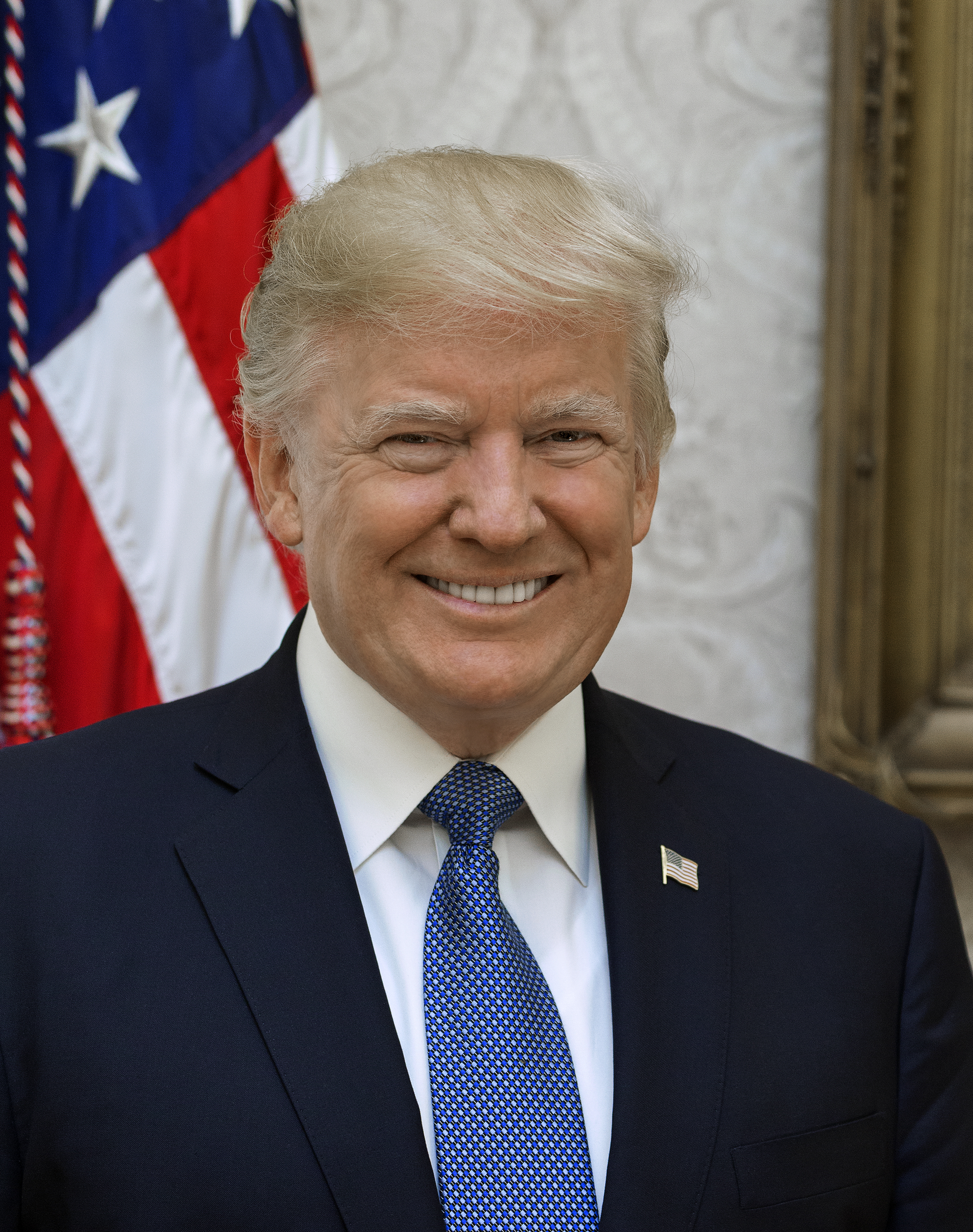 President Donald Trump
The U.S. officially withdraws from the JCPOA, reinstating heavy sanctions under a 'maximum pressure' campaign.

"Mehdi Hasan argues that hostile policies - specifically the 'maximum pressure' campaign launched in 2018 - are exactly what accelerated Iran’s push toward a nuclear weapon."
See why
Iran’s massive, heavily fortified underground enrichment facilities - most notably Natanz (revealed in 2002) and Fordow (revealed in 2009, dug deep into a mountain near Qom) - were built long before Donald Trump took office or the "maximum pressure" campaign began in 2018.
The physical infrastructure and the massive investment required to build it prove that Iran’s nuclear ambitions and latency capabilities existed well before the recent rounds of sanctions.
It's common sense:
A regime doesn't dig into mountains and spend hundreds of billions on nuclear infrastructure without intending to use it.
New US Administration
Joe Biden is inaugurated as the 46th President of the United States.

"We are in a very tense situation with Iran. This is a fact... If we cannot see what they are doing, if we are flying blind, then we cannot provide the necessary assurances to the international community."
Rafael Mariano Grossi
IAEA Director General

"There is no justification for enrichment at this level... Iran is the only country not having nuclear weapons that is enriching material at this level [60 percent]."
Rafael Mariano Grossi
IAEA Director General

"A review of our nuclear doctrine and politics as well as considerations previously communicated is entirely possible... If the Zionist regime wants to take action against our nuclear centers and facilities, we will surely and categorically reciprocate with advanced missiles against its own nuclear sites."
Maj. Gen. Ahmad Haghtalab
Commander of the IRGC Nuclear Security Command

"We have no decision to build a nuclear bomb, but should Iran’s existence be threatened, there will be no choice but to change our military doctrine."
Kamal Kharrazi
Senior Advisor to Supreme Leader Ayatollah Ali Khamenei
New US Administration
Donald Trump is inaugurated as the 47th President of the United States.
Shadow Fleet Evasion & Protest Crackdowns
Iran utilizes a massive 'shadow fleet' to evade oil sanctions, funding terrorism while brutally suppressing citizen protests over economic freefall.
Response
"The Iranian regime is engaged in a ritual of economic self-immolation—a process that has been accelerated by President Trump's maximum pressure campaign. Tehran's decision to support terrorists over its own people has caused Iran's currency and living conditions to be in free fall."
The Treasury Department targets dozens of shadow fleet vessels, operators, and officials involved in procurement and violent crackdowns on protests.
Frequently Asked Questions
Context regarding Iran's Nuclear Infrastructure
How many underground nuclear facilities does Iran have?
Right now, there are two primary enrichment facilities that the international community closely monitors: Natanz and Fordow.
Natanz is the flagship. It is a massive, sprawling complex featuring vast underground halls where thousands of centrifuges spin simultaneously. It's built to operate on an industrial scale.

Fordow, on the other hand, is much smaller but incredibly fortified. It is literally carved deep into the side of a mountain on a military base, purposefully designed to survive direct hits from conventional bunker-buster bombs.
Recently, satellite imagery has also identified newer facilities under construction. One site located just south of Natanz appears to be tunneling even deeper into the mountain range than Fordow.
Did Iran hide Enrichment sites from the IAEA?
Absolutely. Secrecy has been a constant hallmark of Iran's nuclear infrastructure. Both the Natanz and Fordow facilities were constructed completely in the dark, without notifying the IAEA.
The 2002 Revelation
The world only discovered Natanz because an Iranian opposition group (the NCRI) publicly blew the whistle. The revelation shocked Western intelligence.
The story of Fordow is remarkably similar. Western intelligence agencies spent years tracking its covert construction inside a mountain.
Iran only officially declared the Fordow facility to the IAEA in late 2009. Why? Because they received back-channel intel that the US and Israel had discovered it, and the gig was up.
What's the enrichment level required for a civilian program?
Surprisingly little! If a country simply wants to keep the lights on and power a typical civilian nuclear energy plant, they only need uranium enriched to about 3% to 5%.
Even for highly specialized medical research—like creating specific isotopes used in cancer imaging and treatments—you only need to go up to 20% enrichment. That is the absolute accepted ceiling for civilian use.
This is exactly why enriching uranium to 60% raises massive global alarms. There is zero plausible civilian, commercial, or medical justification for enriching to that degree.
Enrichment Threat Levels
Iran has 450kg of 60% enriched Uranium. Is that good for a bomb?
YES! This is a critical misconception. While the 'gold standard' for a compact, highly efficient nuclear warhead is 90% (weapons-grade), you absolutely can build a functioning nuclear bomb with 60% enriched uranium.
A bomb made with 60% material would be physically bulkier and potentially have a lower explosive yield, but it would undeniably be a devastating nuclear device.
With roughly 450kg of 60% Highly Enriched Uranium (HEU), Iran already has enough stock to build several of these crude devices immediately.
The Physics Trap
Because of how enrichment scales, getting from natural uranium (0.7%) to 60% does 99% of the 'work'. Taking that 60% batch and spinning it up to 90% requires very little time and effort. They are essentially parked on the goal line.
What happened to Iran’s nuclear facilities in the 2025 strikes?
During the severe escalations between Israel and Iran in late 2024 and 2025, Israel systematically executed precision airstrikes targeting Iran's defensive shield.
The strikes heavily damaged or destroyed sophisticated radar and air defense systems (such as the Russian-made S-300 batteries) that formed the protective ring around sites like Natanz and Fordow.
This strategic move essentially left the nuclear facilities 'naked' and exposed from the air. However, the actual enrichment halls themselves were not destroyed.

Because the centrifuges at Fordow are buried under hundreds of feet of solid mountain rock, taking them out requires specialized, massive ordnance. Therefore, the core of Iran's nuclear material remained intact.
How long would it take Iran to build a nuclear weapon?
Intelligence agencies look at this timeline in two distinct phases: Breakout Time and Weaponization.
Days to Weeks
This is the time needed to spin up enough 90% weapons-grade uranium for one bomb. U.S. officials estimate this time has shrunk to practically zero.
Months to a Year
This involves engineering the complex explosive lenses, building a reliable warhead, and mating it to a ballistic missile that can survive reentry.
While weaponization takes longer, the grave concern among intelligence agencies is that Iran might already be secretly working on that engineering track in parallel, unobserved by the IAEA.